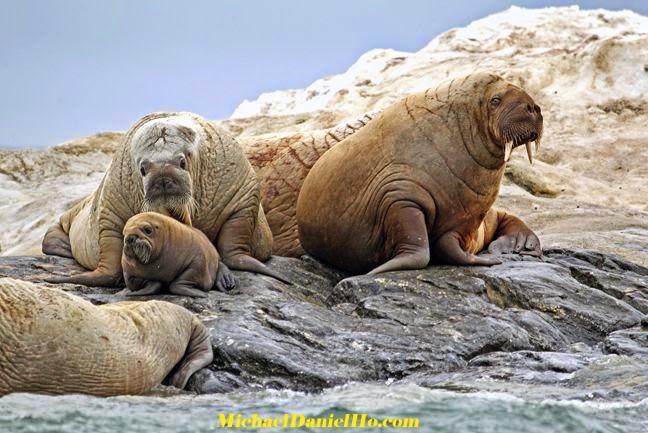
For over thirty years, my passion for the environment and conservation has centered on my love of travel and wildlife photography. Many animal and plant species are going extinct at an alarming rate. We live in a time when nature finds itself in a fragile state. There are less habitat and more people, fauna and flora are under severe pressure.
Wildlife Photography can be a powerful tool for conservation. My mission is to promote the understanding and appreciation of the world's biodiversity and the need for its preservation, through the lens of wildlife imagery. Powerful wildlife and nature images are effective and emotive tools in building public awareness and education in combating this worrisome decline.My readers know me as The Wildlife Ho-tographer, using Canon equipment for over 30 years. My subjects range from small Hummingbirds to gigantic Blue whales, the largest animal on Planet Earth, ever. Every year, I go on multiple photo shoots around the globe and meet photographers and wildlife enthusiasts who want to know what equipment I use and how much camera gear I bring along on my trips. My philosophy is to keep things simple and my equipment bag as light as possible. I usually bring no more than 2 bodies and 3 lenses.
You can follow my travels on Facebook, Twitter, Flickr, Instagram and this blog. My blog and website do not accept advertising, have no tracking cookies and commissioned links of any kind and I do not receive compensation from any camera dealer or equipment manufacturer, including Canon.
A combination of the following gear in my equipment inventory is what I usually bring along but I have access to other lenses, cameras and gear when I have a need for them and still own cameras like the original EOS-1, EOS-1 V and EOS-5D.
I have recently acquired my first mirrorless camera and RF lens - the Canon EOS R3 with the RF 100-500mm lens. Still waiting for Canon to announce the EOS-R1 and EOS-R7 models, perhaps sometime in 2022 or early 2023 for the R1. You can read my wildlife articles and see my works on MichaelDanielHo.com
My Equipment Bag :
My Equipment Bag :
EOS R3 - My first mirrorless camera. Canon built the EOS R3 to emphasize speed and AF performance especially suited for fast action photography like sports and wildlife. The 24.1-megapixel sensor is a back-illuminated stacked CMOS designed and manufactured in house. The camera can capture up to 30 fps blackout-free with its electronic shutter, and up to 12 fps with its mechanical shutter. The EOS R3 combined with the RF 100-500mm f/4.5-7.1 L IS lens, make an unbeatable handheld combo for wildlife photography. See my preliminary review of this very interesting camera.
EOS 1D X Mark III - With a maximum speed of up to 16 fps, new 20 megapixel sensor and 191-point AF system, this body is the successor to the venerable EOS-1D X, and an ideal wildlife camera. The superior native ISO performance and lighting fast frame rate makes photographing moving wildlife in dim light easier and when combined with the EOS R3, will provide me with unmatched flexibility on photo shoots. The EOS-1D X Mark III combined with the EF 200-400mm f/4L IS lens, plus the 1.4X built in extender, make an awesome combo for wildlife photography. See my review of this awesome camera.
EOS 1D X Mark II - With a maximum speed of up to 14 fps, new 20 megapixel sensor and 61-point AF system, this body is the successor to the venerable EOS-1D X, and a versatile wildlife camera. The superior native ISO performance and lighting fast frame rate makes photographing moving wildlife in dim light easier and when combined with the EOS R3, will give excellent performance on photo shoots. The EOS-1D X Mark II works very well with the EF 200-400mm f/4L IS lens. Read my review of this very good wildlife camera.
I have used all the EOS-1D bodies since its inception in 1989 and still prefer the 1.3X APS-H sensor of the MK IV for the extra reach. When I upgraded to the 1D X MK II, MK IV and 1D X, it was a small incremental improvement each time, but the EOS-1D X Mark III is a much improved DSLR. I have owned the EOS 1D X Mark III camera for about a year and make it my main camera body for wildlife photo shoots around the world. Click here to read my review of the original EOS 1D X camera.
EOS 1D Mark IV - 10 fps, 16 megapixel and 45-point AF system make this rugged camera an ideal wildlife choice for me. The 1.3X APS-H sensor brings me a little closer to the action. The noise level is good when photographing moving wildlife in dim light with ISO up to 3200. I have used all the 1D bodies through the decades and this is my one of my favorite cameras to date and trusted workhorse for wildlife shoots. The Mk IV has doubled up for me as a travel and landscape camera when combined with the Canon 16-35mm f/2.8L II and the 24-105mm f/4L lenses. The MK IV will serve me well as the other 1D body I turn to when I want a little extra reach. Read my comparison between the EOS-1D X and EOS-1D Mk IV.
EOS 5D Mark IV - 7 fps, 30 megapixel, 61-point AF system and Dual Pixel CMOS technology make this 4th generation 5D camera my choice as a second camera when I am on tour. The EOS-1D Mark IV can feel a bit dated at times but this full frame body with built-in WiFi and GPS is an ideal camera for wildlife photography when the action is not too fast. The noise level is good when photographing moving wildlife in dim light with ISO up to 3200. It is becoming another trusted workhorse on my wildlife shoots.
EOS 5Ds - After much deliberation, I have finally replaced my venerable EOS-1Ds Mark III with this full frame, 61-point AF, 50 megapixel camera. The 5Ds will be used primarily for nature and travel photography but occasionally for wildlife that don't move too much. The resolution of its impressive sensor, the ability to crop the image (on the camera) to 1.3x and 1.6x are great advantages for me when it comes to wildlife photography, offsetting its main disadvantage - the slow 5 fps burst rate. I will be taking this camera on many real world photo shoots and writing a comprehensive review on it in the next few months.
EOS 7D Mark II - In my opinion, this is the best value in cropped frame DSLR today. The 1.6X APS-C sensor, 10 fps, 20 megapixel and 61-point AF system make this body ideal for wildlife and bird photography. This new camera has the Dual Pixel CMOS technology built-in, can autofocus down to f/8 and has much improved ISO performance over the original 7D. With good light, the camera's performance is exceptional. I like the added reach of the 7D and put the Canon BG-E16 grip on the body to give it a 1D like feel. I am not completely without reservation on this body. You can read my review on the camera here.
EF 300mm f/2.8L IS II - A superb 'handholdable' Super Telephoto wildlife lens. If speed is not paramount, I will use the EF 300mm f/4L IS but it gives up a small difference in sharpness at about half the weight and a fraction of the price. Excellent image quality with 1.4x or 2.0x extender mounted. The lens is tack sharp and works well with 1D, 5D and 7D bodies and the image quality is unparalleled.
EF 400mm f/4 DO IS II - This is one of my favorite Canon Super Telephoto lens for wildlife photography. This lens was announced on September 15, 2014. Its weight, speed and performance combination is hard to beat for a full day's photo shoot without a tripod. I have taken many of my bird-in-flight shots with the Series I model of this lens. The lens performs well with the 1.4x and 2.0x extenders. When used with the EOS-7D Mk II and EOS-1D MK IV, I can shoot at 1200+mm and 1000+mm focal length handholding the combo. This gives me unmatched mobility and reach. You can read my review of the Series II version. This is my favorite Super Telephoto wildlife lens when I travel light.
EF 400mm f/5.6L - This is another one of my favorite Canon lens for wildlife photography. First introduced in 1993, it lacks Image Stabilization found in most EF lenses these days but it is one of the sharpest lens in Canon's lineup. The relative light weight and performance combination is hard to beat for a full day's photo shoot without a tripod. I have taken many of my bird-in-flight shots with this amazingly under-rated lens as well. The lens performs well with the 1.4X extenders. When used with the EOS-1D bodies, it can autofocus down to f/8. This gives me unmatched mobility and reach. An upgrade of this venerable lens with an IS system would be great.
EF 200-400mm f/4L IS USM Extender 1.4x - My ideal lens combo for wildlife photography is the 70-200mm f/2.8L IS II and the 200-400mm f/4L IS with the built in 1.4X extender. This way I can travel 'light' and still have the highest quality glass covering a wide range of focal lengths. Canon has reduced the price of this lens recently, down from the original price of $11,799. It is a great buy for those who don't mind the weight of this glass. Click here to read my extensive review of this revolutionary lens. I have put this amazing glass through many vigorous wildlife photo shoots around the globe and it continues to surprise me by its performance.
EF 500mm f/4L IS II - One of my favorite Super telephoto lens in Canon's lineup. The Series II version is one of their sharpest and a great wildlife lens. When I use a full sized tripod, this glass is my choice and sometimes I handhold this lens for a short period of time. The Series I lens has been discontinued but one can still buy it from dealers with left over inventory. The new lens comes with superior optics and coatings, is incrementally better in every way and reduces the weight by 1 1/2 pound.
EOS 1D X Mark II - With a maximum speed of up to 14 fps, new 20 megapixel sensor and 61-point AF system, this body is the successor to the venerable EOS-1D X, and a versatile wildlife camera. The superior native ISO performance and lighting fast frame rate makes photographing moving wildlife in dim light easier and when combined with the EOS R3, will give excellent performance on photo shoots. The EOS-1D X Mark II works very well with the EF 200-400mm f/4L IS lens. Read my review of this very good wildlife camera.
I have used all the EOS-1D bodies since its inception in 1989 and still prefer the 1.3X APS-H sensor of the MK IV for the extra reach. When I upgraded to the 1D X MK II, MK IV and 1D X, it was a small incremental improvement each time, but the EOS-1D X Mark III is a much improved DSLR. I have owned the EOS 1D X Mark III camera for about a year and make it my main camera body for wildlife photo shoots around the world. Click here to read my review of the original EOS 1D X camera.
EOS 1D Mark IV - 10 fps, 16 megapixel and 45-point AF system make this rugged camera an ideal wildlife choice for me. The 1.3X APS-H sensor brings me a little closer to the action. The noise level is good when photographing moving wildlife in dim light with ISO up to 3200. I have used all the 1D bodies through the decades and this is my one of my favorite cameras to date and trusted workhorse for wildlife shoots. The Mk IV has doubled up for me as a travel and landscape camera when combined with the Canon 16-35mm f/2.8L II and the 24-105mm f/4L lenses. The MK IV will serve me well as the other 1D body I turn to when I want a little extra reach. Read my comparison between the EOS-1D X and EOS-1D Mk IV.
EOS 5D Mark IV - 7 fps, 30 megapixel, 61-point AF system and Dual Pixel CMOS technology make this 4th generation 5D camera my choice as a second camera when I am on tour. The EOS-1D Mark IV can feel a bit dated at times but this full frame body with built-in WiFi and GPS is an ideal camera for wildlife photography when the action is not too fast. The noise level is good when photographing moving wildlife in dim light with ISO up to 3200. It is becoming another trusted workhorse on my wildlife shoots.
EOS 5Ds - After much deliberation, I have finally replaced my venerable EOS-1Ds Mark III with this full frame, 61-point AF, 50 megapixel camera. The 5Ds will be used primarily for nature and travel photography but occasionally for wildlife that don't move too much. The resolution of its impressive sensor, the ability to crop the image (on the camera) to 1.3x and 1.6x are great advantages for me when it comes to wildlife photography, offsetting its main disadvantage - the slow 5 fps burst rate. I will be taking this camera on many real world photo shoots and writing a comprehensive review on it in the next few months.
EOS 7D Mark II - In my opinion, this is the best value in cropped frame DSLR today. The 1.6X APS-C sensor, 10 fps, 20 megapixel and 61-point AF system make this body ideal for wildlife and bird photography. This new camera has the Dual Pixel CMOS technology built-in, can autofocus down to f/8 and has much improved ISO performance over the original 7D. With good light, the camera's performance is exceptional. I like the added reach of the 7D and put the Canon BG-E16 grip on the body to give it a 1D like feel. I am not completely without reservation on this body. You can read my review on the camera here.
EF 300mm f/2.8L IS II - A superb 'handholdable' Super Telephoto wildlife lens. If speed is not paramount, I will use the EF 300mm f/4L IS but it gives up a small difference in sharpness at about half the weight and a fraction of the price. Excellent image quality with 1.4x or 2.0x extender mounted. The lens is tack sharp and works well with 1D, 5D and 7D bodies and the image quality is unparalleled.
EF 400mm f/4 DO IS II - This is one of my favorite Canon Super Telephoto lens for wildlife photography. This lens was announced on September 15, 2014. Its weight, speed and performance combination is hard to beat for a full day's photo shoot without a tripod. I have taken many of my bird-in-flight shots with the Series I model of this lens. The lens performs well with the 1.4x and 2.0x extenders. When used with the EOS-7D Mk II and EOS-1D MK IV, I can shoot at 1200+mm and 1000+mm focal length handholding the combo. This gives me unmatched mobility and reach. You can read my review of the Series II version. This is my favorite Super Telephoto wildlife lens when I travel light.
EF 400mm f/5.6L - This is another one of my favorite Canon lens for wildlife photography. First introduced in 1993, it lacks Image Stabilization found in most EF lenses these days but it is one of the sharpest lens in Canon's lineup. The relative light weight and performance combination is hard to beat for a full day's photo shoot without a tripod. I have taken many of my bird-in-flight shots with this amazingly under-rated lens as well. The lens performs well with the 1.4X extenders. When used with the EOS-1D bodies, it can autofocus down to f/8. This gives me unmatched mobility and reach. An upgrade of this venerable lens with an IS system would be great.
EF 200-400mm f/4L IS USM Extender 1.4x - My ideal lens combo for wildlife photography is the 70-200mm f/2.8L IS II and the 200-400mm f/4L IS with the built in 1.4X extender. This way I can travel 'light' and still have the highest quality glass covering a wide range of focal lengths. Canon has reduced the price of this lens recently, down from the original price of $11,799. It is a great buy for those who don't mind the weight of this glass. Click here to read my extensive review of this revolutionary lens. I have put this amazing glass through many vigorous wildlife photo shoots around the globe and it continues to surprise me by its performance.
EF 500mm f/4L IS II - One of my favorite Super telephoto lens in Canon's lineup. The Series II version is one of their sharpest and a great wildlife lens. When I use a full sized tripod, this glass is my choice and sometimes I handhold this lens for a short period of time. The Series I lens has been discontinued but one can still buy it from dealers with left over inventory. The new lens comes with superior optics and coatings, is incrementally better in every way and reduces the weight by 1 1/2 pound.
EF 600mm f/4L IS III - For those occasions when extra reach is paramount, I bring this ultimate Series III telephoto lens from Canon. For brilliantly clear results even in challenging situations, Super Spectra Coatings (SSC) and Air Sphere Coatings (ASC) help minimize ghosting and flare. Heat-rejecting paint and two-layer barrel structure help keep the lens cooler especially in hot climate like Africa or India. With a shorter minimum focusing distance, full-time manual AF, two selectable focus presets plus a major weight reduction of about 2 pounds over the Series II model make this lens a must have for serious wildlife and sports photographers.
Together with the EF 200-400mm f/4L IS 1.4x, EF 400mm f/4 DO IS II and EF 300mm f/2.8L IS II, these lenses form the backbone of my Super Telephoto lens inventory. Click here to see how the EF 500mm f/4L lens is made.
RF 100-500mm f/4.5-7.1L IS - This super telephoto zoom lens delivers a superb combination of cutting-edge performance, compact construction and brilliant resolving power specifically designed for the EOS R system. The versatile range of 100mm to 500mm is ideal for sports, wildlife, and even aviation photography while maintaining a compact, travel-ready size and weight. The lens features one Super UD and six UD lenses. Fluorine coated front and rear lens elements provide resistance to dirt, moisture and oils, while L-series construction with dust and weather resistance provide reliability even in challenging conditions. With its built-in, 3-mode, and up-to 5-stop optical image stabilization system, and high-speed Dual Nano USM autofocus motors, the RF100-500mm F4.5-7.1 L IS USM will provide superb optical performance for any wildlife shoot.
EF 28-300mm f/3.5-5.6L IS - My ideal lens combo for wildlife photography is the 70-200mm f/2.8L IS II and the 200-400mm f/4L IS with the built in 1.4X extender. However, there are situations when I am restricted to just one lens or it's impractical to change lens, then I reach for the EF 28-300mm. This versatile 10X+ zoom lens has very good optical performance and can focus down to less than two and a half feet over the entire focal length. This is a great wildlife lens especially in Hawaii. I call this my 'Maui lens' because the Humpback whales can come just a few feet from my zodiac and this lens will capture the image with little problem, even on APS-C cameras.
EF 70-200mm f/2.8L IS III - Super sharp and fast lens for close up wildlife action, providing up to 4 stops of correction at all focal lengths. I have used this lens for years and the latest version is the best yet. An excellent lens for closeup, lowlight travel and wildlife photography and works well with both the 1.4X and 2.0X extenders.
EF 70-300mm f/4-5.6L IS - I held off buying this lens for a while because the 70-300mm DO was such a disappointment for me. The extra reach and lighter weight ( compared to the 70-200mm f/2.8L IS II ) of this lens comes in handy when I am photographing larger wildlife in decent light. Excellent 4 stop IS compensation. Another great lens for cetacean and wildlife photo shoots. The drawbacks are extenders cannot be used on this lens and it does not come with a zoom ring.
EF 100-400mm f/4.5-5.6L IS II - This brand new lens is a 'light weight', all round wildlife lens with excellent build. It uses a zoom ring design to get from 100mm to 400mm. Excellent for wildlife and whale photography. Image quality is great even with the 1.4X extender on EOS-1D and EOS-7D Mk II bodies. You can read my review on the Series II version. I will write an extended review of this lens once I have taken it out on more photo shoots.
EF 180mm f/3.5L Macro - Superb macro lens that can be used with extenders. Excellent build with medium fast speed. A must own lens for serious macro photography. I have used it to photograph Hummingbirds closeup when the lighting conditions are good.
EF 24-105mm f/4L IS II - A great, all round lens for travel and landscape photography. This lens will be on my EOS-1D X Mark II or EOS-5Ds when I take travel photos or closeup wildlife shots. The focal lengths and speed are ideal for indoor and outdoor shooting conditions and the IS offers a 4 stop advantage. It comes with the latest coatings and fluorite technology.
EF 16-35mm f/2.8L III - This lens is great for wide angle landscape shots on the EOS-1D X bodies and a versatile travel lens on the EOS-1D MK IV as well. Very sharp and fast. Can be used indoors when flash photography is prohibited. Canon has announced the EF 16-35mm f/4L IS and EF 11-24mm f/4L glass. The f/4 model found a home in my equipment bag.
EF 8-15mm f/4L Fisheye - This lens is for landscape and wildlife photographers who want the look and feel only possible with extreme wide angle and fisheye photography. With its unique focal length range, the EF 8-15mm f/4L USM is the world's widest fisheye zoom lens. It delivers 180° diagonal angle of view images for all EOS SLR cameras with imaging formats ranging from full-frame to APS-C, and provides 180° circular fisheye images for full-frame EOS models. I use this lens to photograph whales and other marine animals when I am in the water. To do it professionally, I use my EOS-1D Mk IV camera with the EF 8-15mm lens and the AquaTech underwater housing, topped with a dome lens port for maximum angle of view. On land, this super wide angle lens will capture stunning nature photos and stimulate creativity.
EF 50mm f/1.4 USM - This walk around lens is a solid performer and great value. I am not a portrait photographer and seldom use a 50mm lens so there is little need to own a better performing glass. An upgrade to Mark II of this lens is needed to take advantage of the advancement in optics and coatings since its first introduction in 1993.
Extender EF 1.4X and 2.0X III - Series III extenders offer a 40% or 100% boost to the focal length of the lens with a corresponding loss of 1 to 2 stops in aperture setting. Although they focus faster, I find no noticable IQ improvement in the latest extenders over the Series II versions under real world conditions and use them only sparingly. The Series III extenders are supposed to mate especially well with the Series II Super Telephoto lens but I cannot find any evidence to that claim. I am not a big fan of extenders and will use my legs first to close the distance between me and my subjects.
Speedlite 600EX II RT - I am not a big user of flash but sold my 580 EX II for a good price and upgraded to the 600EX II RT. Professional quality and build makes this flash perfect for the 1D bodies. It offers an expanded zoom range and a higher guide number, plus a number of improvements over its predecessor in both operation and feel. With the added wireless two-way radio communication, it allows additional creativity.
Kirk BH-3 Ball Head - This compact, light weight ball head is perfect for photographer like myself who prefers to travel light and do not want to over pay for any gear. It weighs a mere 1.2 pounds and is rated for a 15 pound load. I can mount the EF 800mm f/5.6L IS USM lens and the Canon 1D X camera with extender on it with no problem. It is professional grade, solidly built in the United States and comes with a very reasonable price. For heavier loads, I mount the Kirk BH-1 on my tripod. I have upgraded all my Canon tripod foot with the Kirk replacement.
Gitzo GT5543XL - This premium carbon fiber tripod is when I have room and weight to spare in my equipment bag and want to pack the heaviest load for my tour. It is longer than the SLIK tripods I have and weighs just about 7 pounds, comes with no center column, rated for over 80 pound load and extends to over 6 feet tall. Gitzo tripods are extremely well built and rugged but sell for a premium price and may not be a good value for all photographers.
SLIK Vari CF 704 - This light weight, full sized carbon fiber tripod weighs only 2.8 pounds but can support over 17 pounds of equipment. That's enough for a top of the line ball head, Canon 1D body and up to the Canon 800mm f/5.6L IS lens. It is almost 5 inch shorter than the Gitzo GT 2542LS. I use this tripod when the job calls for a shorter, full sized tripod than can handle a big load. SLIK is one of the best kept secret in carbon fiber tripods today. The technology and quality are first rate and the prices are reasonable.
Gitzo GM 2542 - This compact carbon fiber monopod is an ideal tool for me when it is not practical to deploy a tripod. It weighs a mere 1.1 pounds and is rated for about 66 pound load. I mount the Kirk BH-1 ball head and Canon 1D X Mark II or 1D Mark IV with 400mm DO IS II lens on it with ease.
Tamrac Expedition 8X Backpack - Sadly, Tamrac has been bought out by GuruGear but this is the pack I use to carry larger equipment when I go 'heavy'. The main compartment is completely foam padded with numerous adjustable dividers to protect multiple pro-size digital SLRs, a full range of lenses (up to the EF 800mm f/5.6L), flashes and a laptop. The best thing is it's 'small' enough to be carried on planes.
Tamrac Adventure 9 Backpack - I use this Backpack when I travel 'light'. This pack is divided into upper and lower padded compartments. The lower compartment can accommodate 2 pro-size bodies and 2 lenses. The upper compartment can accommodate additional equipment including the Canon 400mm f/4 DO IS II lens and there is room for a laptop. The pack is small enough for me to take on planes in addition to a carryon suitcase.
EF 28-300mm f/3.5-5.6L IS - My ideal lens combo for wildlife photography is the 70-200mm f/2.8L IS II and the 200-400mm f/4L IS with the built in 1.4X extender. However, there are situations when I am restricted to just one lens or it's impractical to change lens, then I reach for the EF 28-300mm. This versatile 10X+ zoom lens has very good optical performance and can focus down to less than two and a half feet over the entire focal length. This is a great wildlife lens especially in Hawaii. I call this my 'Maui lens' because the Humpback whales can come just a few feet from my zodiac and this lens will capture the image with little problem, even on APS-C cameras.
EF 70-200mm f/2.8L IS III - Super sharp and fast lens for close up wildlife action, providing up to 4 stops of correction at all focal lengths. I have used this lens for years and the latest version is the best yet. An excellent lens for closeup, lowlight travel and wildlife photography and works well with both the 1.4X and 2.0X extenders.
EF 70-300mm f/4-5.6L IS - I held off buying this lens for a while because the 70-300mm DO was such a disappointment for me. The extra reach and lighter weight ( compared to the 70-200mm f/2.8L IS II ) of this lens comes in handy when I am photographing larger wildlife in decent light. Excellent 4 stop IS compensation. Another great lens for cetacean and wildlife photo shoots. The drawbacks are extenders cannot be used on this lens and it does not come with a zoom ring.
EF 100-400mm f/4.5-5.6L IS II - This brand new lens is a 'light weight', all round wildlife lens with excellent build. It uses a zoom ring design to get from 100mm to 400mm. Excellent for wildlife and whale photography. Image quality is great even with the 1.4X extender on EOS-1D and EOS-7D Mk II bodies. You can read my review on the Series II version. I will write an extended review of this lens once I have taken it out on more photo shoots.
EF 180mm f/3.5L Macro - Superb macro lens that can be used with extenders. Excellent build with medium fast speed. A must own lens for serious macro photography. I have used it to photograph Hummingbirds closeup when the lighting conditions are good.
EF 24-105mm f/4L IS II - A great, all round lens for travel and landscape photography. This lens will be on my EOS-1D X Mark II or EOS-5Ds when I take travel photos or closeup wildlife shots. The focal lengths and speed are ideal for indoor and outdoor shooting conditions and the IS offers a 4 stop advantage. It comes with the latest coatings and fluorite technology.
EF 16-35mm f/2.8L III - This lens is great for wide angle landscape shots on the EOS-1D X bodies and a versatile travel lens on the EOS-1D MK IV as well. Very sharp and fast. Can be used indoors when flash photography is prohibited. Canon has announced the EF 16-35mm f/4L IS and EF 11-24mm f/4L glass. The f/4 model found a home in my equipment bag.
EF 8-15mm f/4L Fisheye - This lens is for landscape and wildlife photographers who want the look and feel only possible with extreme wide angle and fisheye photography. With its unique focal length range, the EF 8-15mm f/4L USM is the world's widest fisheye zoom lens. It delivers 180° diagonal angle of view images for all EOS SLR cameras with imaging formats ranging from full-frame to APS-C, and provides 180° circular fisheye images for full-frame EOS models. I use this lens to photograph whales and other marine animals when I am in the water. To do it professionally, I use my EOS-1D Mk IV camera with the EF 8-15mm lens and the AquaTech underwater housing, topped with a dome lens port for maximum angle of view. On land, this super wide angle lens will capture stunning nature photos and stimulate creativity.
EF 50mm f/1.4 USM - This walk around lens is a solid performer and great value. I am not a portrait photographer and seldom use a 50mm lens so there is little need to own a better performing glass. An upgrade to Mark II of this lens is needed to take advantage of the advancement in optics and coatings since its first introduction in 1993.
Extender EF 1.4X and 2.0X III - Series III extenders offer a 40% or 100% boost to the focal length of the lens with a corresponding loss of 1 to 2 stops in aperture setting. Although they focus faster, I find no noticable IQ improvement in the latest extenders over the Series II versions under real world conditions and use them only sparingly. The Series III extenders are supposed to mate especially well with the Series II Super Telephoto lens but I cannot find any evidence to that claim. I am not a big fan of extenders and will use my legs first to close the distance between me and my subjects.
Speedlite 600EX II RT - I am not a big user of flash but sold my 580 EX II for a good price and upgraded to the 600EX II RT. Professional quality and build makes this flash perfect for the 1D bodies. It offers an expanded zoom range and a higher guide number, plus a number of improvements over its predecessor in both operation and feel. With the added wireless two-way radio communication, it allows additional creativity.
Kirk BH-3 Ball Head - This compact, light weight ball head is perfect for photographer like myself who prefers to travel light and do not want to over pay for any gear. It weighs a mere 1.2 pounds and is rated for a 15 pound load. I can mount the EF 800mm f/5.6L IS USM lens and the Canon 1D X camera with extender on it with no problem. It is professional grade, solidly built in the United States and comes with a very reasonable price. For heavier loads, I mount the Kirk BH-1 on my tripod. I have upgraded all my Canon tripod foot with the Kirk replacement.
Gitzo GT5543XL - This premium carbon fiber tripod is when I have room and weight to spare in my equipment bag and want to pack the heaviest load for my tour. It is longer than the SLIK tripods I have and weighs just about 7 pounds, comes with no center column, rated for over 80 pound load and extends to over 6 feet tall. Gitzo tripods are extremely well built and rugged but sell for a premium price and may not be a good value for all photographers.
SLIK Vari CF 704 - This light weight, full sized carbon fiber tripod weighs only 2.8 pounds but can support over 17 pounds of equipment. That's enough for a top of the line ball head, Canon 1D body and up to the Canon 800mm f/5.6L IS lens. It is almost 5 inch shorter than the Gitzo GT 2542LS. I use this tripod when the job calls for a shorter, full sized tripod than can handle a big load. SLIK is one of the best kept secret in carbon fiber tripods today. The technology and quality are first rate and the prices are reasonable.
Gitzo GM 2542 - This compact carbon fiber monopod is an ideal tool for me when it is not practical to deploy a tripod. It weighs a mere 1.1 pounds and is rated for about 66 pound load. I mount the Kirk BH-1 ball head and Canon 1D X Mark II or 1D Mark IV with 400mm DO IS II lens on it with ease.
Tamrac Expedition 8X Backpack - Sadly, Tamrac has been bought out by GuruGear but this is the pack I use to carry larger equipment when I go 'heavy'. The main compartment is completely foam padded with numerous adjustable dividers to protect multiple pro-size digital SLRs, a full range of lenses (up to the EF 800mm f/5.6L), flashes and a laptop. The best thing is it's 'small' enough to be carried on planes.
Tamrac Adventure 9 Backpack - I use this Backpack when I travel 'light'. This pack is divided into upper and lower padded compartments. The lower compartment can accommodate 2 pro-size bodies and 2 lenses. The upper compartment can accommodate additional equipment including the Canon 400mm f/4 DO IS II lens and there is room for a laptop. The pack is small enough for me to take on planes in addition to a carryon suitcase.